The Old World Gave us Information. The New World Demands Understanding.
A more informed world is within reach.
Now we need a deeper understanding – for a safer, stronger, more human future.
The Moment We're Living Through
We are living through one of the most consequential periods of technological change in modern history.
Artificial intelligence is advancing at a remarkable pace. Cameras can recognize objects and track movement across cities. Sensors are becoming embedded in the physical world around us. The devices in our pockets know where we are, connect us to almost anyone, and give us access to more information than previous generations could have imagined.
For those working at the edges of technology, this moment is exhilarating. There is a genuine belief that we are entering a new era of human possibility.
Outside of those circles, the feeling is more complicated.
Artificial intelligence has been met with excitement, but also fear about jobs, privacy, misinformation, and what happens when machines become capable of doing things once reserved for people. Camera networks designed to make communities safer have generated legitimate questions about surveillance and civil liberties. New technologies seem to arrive faster than our institutions, laws, communities, and sometimes even their creators can fully understand their consequences.
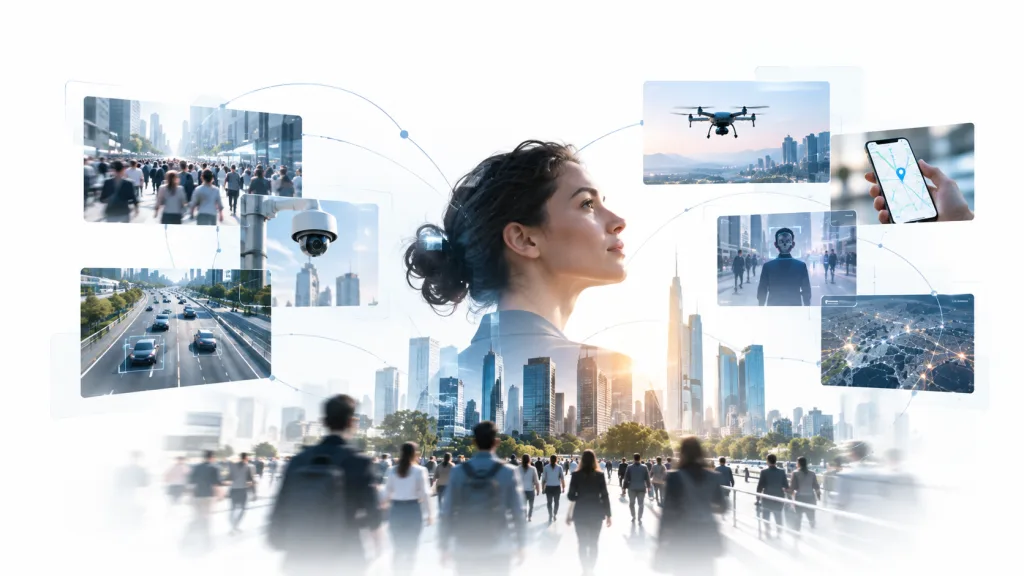
There is a growing disconnect between the people building the future and the people expected to live in it.
That disconnect matters.
Technology can be an extraordinary force for good, but capability alone is not progress. Those of us building and deploying new technology have a responsibility to understand not only what it can do, but whom it is supposed to serve. We have a responsibility to bridge the distance between the world people know and the world that is rapidly arriving.
The answer is not to choose between innovation and ethics, security and liberty, or technology and humanity. Those are false choices. The better question is how we build technology that gives people greater agency over their lives and helps them make better decisions for the people and communities they are responsible for. That principle is central to the PLURIBUS manifesto.
From Information to Understanding
For most of the information age, we faced a different problem. Information was difficult to collect, expensive to distribute, and often inaccessible when people needed it. So we built technologies to solve that problem, and they worked remarkably well.
Today, we have more information than we know what to do with.
The problem has moved upstream.
The challenge is no longer simply whether we can collect another piece of information. It is whether we can bring together the right information, place it in context, understand what it means, and use that understanding to make a better decision.
When Every Second Matters
Nowhere is that challenge more consequential than during an emergency.
A base commander receives word of an active shooter on an installation. A child calls 911 after watching her mother collapse from a heart attack. An emergency responder is dispatched to an unfamiliar address involving people they have never met.
These circumstances could not be more different, but the fundamental problem is remarkably similar. Someone has to understand what is happening, and they may have only seconds to do it.
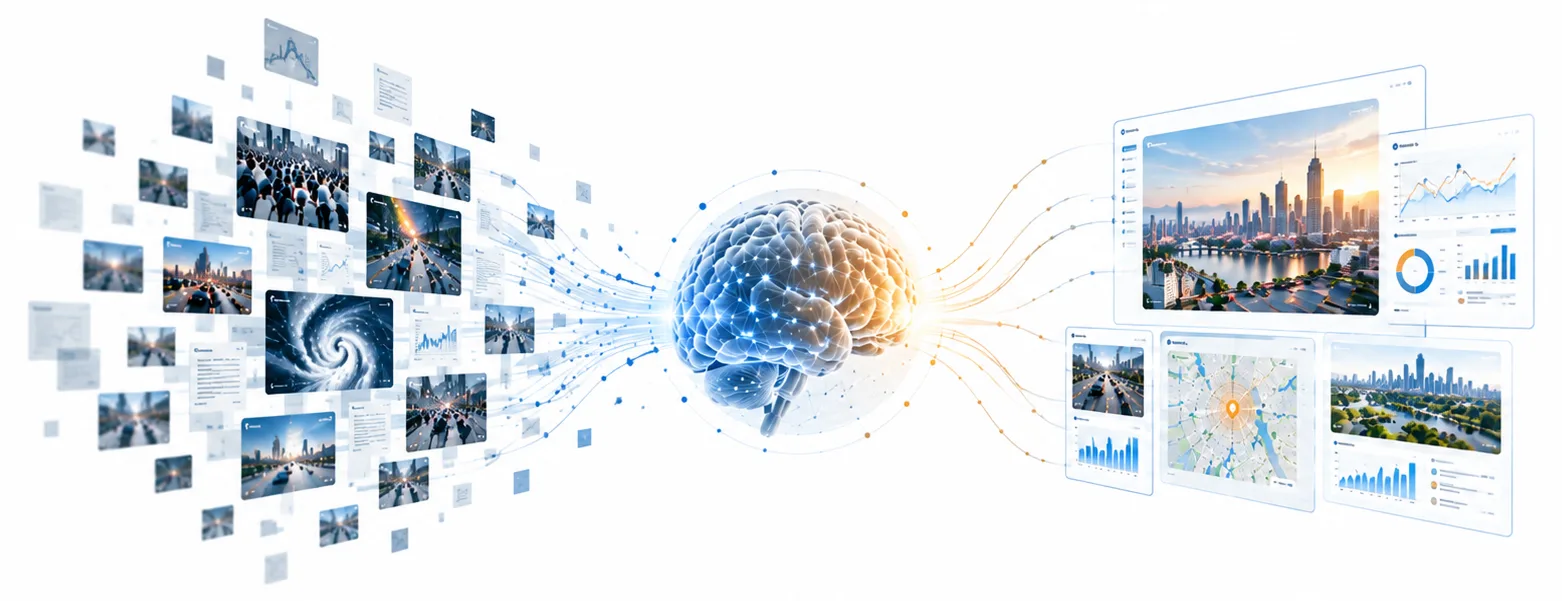
The information required to create that understanding may already exist. A smartphone knows the location. A camera may show what is happening. A database may contain relevant medical information. Witnesses may be communicating with dispatch. Sensors, records, alerts, and other systems may each contain another piece of the picture.
Yet the person responsible for making the decision is often left to connect those dots while the situation is still unfolding.
That is not an information problem. It is an understanding problem.
This is why Real-Time Emergency Management matters.
The next generation of emergency management should not simply give responders another screen, another alert, or another stream of data to interpret. It should help them arrive with a clearer understanding of the situation they are walking into. They should know who they are responding to, where they are, what is happening around them, and what critical information could change what they do next.
When every second matters, the goal should not be more information. The goal should be better understanding.
The Understanding Company
Emergency management is only one expression of a much larger shift.
As artificial intelligence and connected technologies continue to increase the amount of information available to us, the challenge will increasingly become making sense of it. The most important technologies of the next era will not simply collect, store, or display information. They will help human beings understand what that information means.
They will help us see relationships that were previously invisible. They will bring together perspectives that once existed in isolation. They will turn disparate points of data into context, context into understanding, and understanding into action.
Data becomes information. Information gains context. Context creates understanding. Understanding enables action.
This represents a different relationship between people and technology. Technology does not replace human judgment. It helps people exercise better judgment. It does not simply tell us more. It helps us make sense of what we already know.
That requires a different kind of company.
An Understanding Company is built around the belief that technology should help people make sense of an increasingly complex world. It brings together disparate information, perspectives, and signals and places them into the context necessary for people to make better decisions.
The idea is bigger than emergency management, just as computing became bigger than the first problems computers were built to solve.
Real-Time Emergency Management is simply an important place to begin, because when lives are at stake, the difference between having information and understanding what it means becomes impossible to ignore.